

Keyword research comes up a lot when you start talking about SEO. And you wouldn’t be wrong to think it sounds more complicated than it is, most explanations bury the basics under jargon. Here’s the simple version:
Keyword research is finding and analysing the exact words and phrases people type into search engines when looking for what you offer.
Get this right, and you’re targeting actual demand, creating content people want, optimising for searches that drive revenue, understanding what your customers need.
Get it wrong, and you’re creating content nobody searches for, targeting keywords too competitive to rank for, or attracting visitors who never convert.
Everything else you do in SEO builds on this foundation. No amount of technical optimisation or link building will save you if you’re targeting the wrong keywords. For the bigger picture on how this fits into a full strategy, see our SEO guide for businesses.
[Image: hero/header image]
Why Search Intent Matters More Than Volume
Here’s something most businesses get wrong: they obsess over search volume and ignore what people actually want when they search.
Don’t misunderstand me, I love those big volume keywords, low difficulty, that low-hanging fruit. But, and it’s a big but, intent tells you where they are in the marketing funnel.
Someone searching “what is brand strategy” is in a completely different mindset than someone searching “hire brand strategist London.” The former is in a research stage, the latter is in the decision stage. Now, that research stage might transform into a purchase down the line (especially if you dangle a juicy lead gen asset in front of them), but you can’t sell to them yet.
The Four Types of Search Intent
1. Informational Intent: They Want to Learn
These users are researching and gathering information. They’re not ready to buy yet.
Examples:
- “What is SEO”
- “How to start a podcast”
- “Best time to post on Instagram”
What they need: Blog posts, guides, tutorials, videos
Business value: Top-of-funnel content that builds awareness and authority. You’re planting seeds for future conversions.
2. Navigational Intent: They’re Looking for You
Users already know what they want, they’re just trying to find it.
Examples:
- “Facebook login”
- “Amazon”
- “Colney Island Studio contact”
What they need: Clear brand pages and intuitive site navigation
Business value: These people already know you. Make it easy for them to find you.
3. Commercial Intent: They’re Comparing Options
They’re ready to buy soon, but they’re still evaluating and comparing.
Examples:
- “Best branding agencies Brighton”
- “SEO tools comparison”
- “iPhone vs Samsung”
What they need: Comparisons, reviews, buyer guides, case studies
Business value: Mid-funnel content with high intent. These are hot leads if you can demonstrate you’re the best choice.
4. Transactional Intent: They’re Ready to Buy Now
These are bottom-funnel searches from people with wallets open.
Examples:
- “Buy domain name”
- “SEO services London”
- “Hire branding consultant”
What they need: Service pages, product pages, pricing pages, clear paths to purchase
Business value: Highest conversion potential. Don’t waste their time with educational content.
Why Matching Intent to Content Is Critical
I see this mistake constantly: businesses create service pages for informational keywords or long guides for transactional keywords.
Someone searching “what is brand strategy” wants to learn, not buy. Show them your service page with pricing, and you’ve wasted the opportunity to educate them and build trust. (Our brand strategy guide is a good example of content built for that research stage.)
Someone searching “hire brand strategist London” wants to buy, not read a 3,000-word educational guide. Show them your service page with clear next steps, or they’ll go to a competitor who does.
How to Do Keyword Research (Step-by-Step Process)
Step 1: Start With Customer Pain Points
Don’t start with keywords. Start with the problems your customers are trying to solve.
If you’re a branding agency, ask:
- What problems do customers mention in sales calls?
- Why do they need a rebrand?
- What are they struggling with?
Example pain points:
- “Our brand looks outdated”
- “We’re not attracting the right clients”
- “We’re getting lost in a crowded market”
- “Our messaging isn’t clear”
These pain points become your keyword starting points.
Step 2: Brainstorm Topics and Keywords
Now translate those pain points into actual search terms. Come up with as many as possible, don’t filter yet.
Example for branding agency:
Topic cluster: Brand Strategy
- Brand strategy
- Brand positioning
- Brand messaging
- Brand identity vs brand strategy
- How to create a brand strategy
Topic cluster: Rebranding
- Rebranding services
- When to rebrand
- Rebranding process
- Rebrand vs refresh
- Rebranding cost
Topic cluster: Logo Design
- Logo design services
- Logo design process
- Logo redesign
- Professional logo design
Where to find more ideas:
- How customers describe what you do
- Industry terminology
- Your services and products
- Competitor websites
- Sales conversation notes
Aim for 20-50 keywords per topic cluster. Group them as you go.
Step 3: Google Each Term and Check What’s Ranking
This step is critical. Search your keywords and see what Google actually shows.
What you’re looking for:
Search intent – What type of content ranks?
- Blog posts? (informational intent)
- Service pages? (transactional intent)
- Comparison articles? (commercial intent)
- Brand websites? (navigational intent)
Domain authority – Who’s ranking?
- All big brands with DR 60+? Might be too competitive
- Mix of smaller sites? There’s opportunity
Content quality – Can you do better?
- Comprehensive guides or thin content?
- Up-to-date or outdated?
Get rid of keywords where:
- You can’t match the search intent with your content
- Competition is way too strong for your current authority
- Results show something completely different than what you expected
Example: Search “brand strategy” → See comprehensive guides and educational content → This is informational intent, needs a blog post. Search “hire brand strategist London” → See service pages and agency websites → This is transactional intent, needs a service page.
Step 4: Mine People Also Ask
While you’re Googling, look at the “People Also Ask” section. These are real questions people search for.
Example for “brand strategy”:
People Also Ask shows:
- “What is brand strategy?”
- “What are the 4 elements of brand strategy?”
- “How do you create a brand strategy?”
- “What is the difference between brand identity and brand strategy?”
Add these question-based keywords to your list. They’re perfect for:
- FAQ sections
- Blog subheadings
- Dedicated answer pages
- Featured snippet opportunities
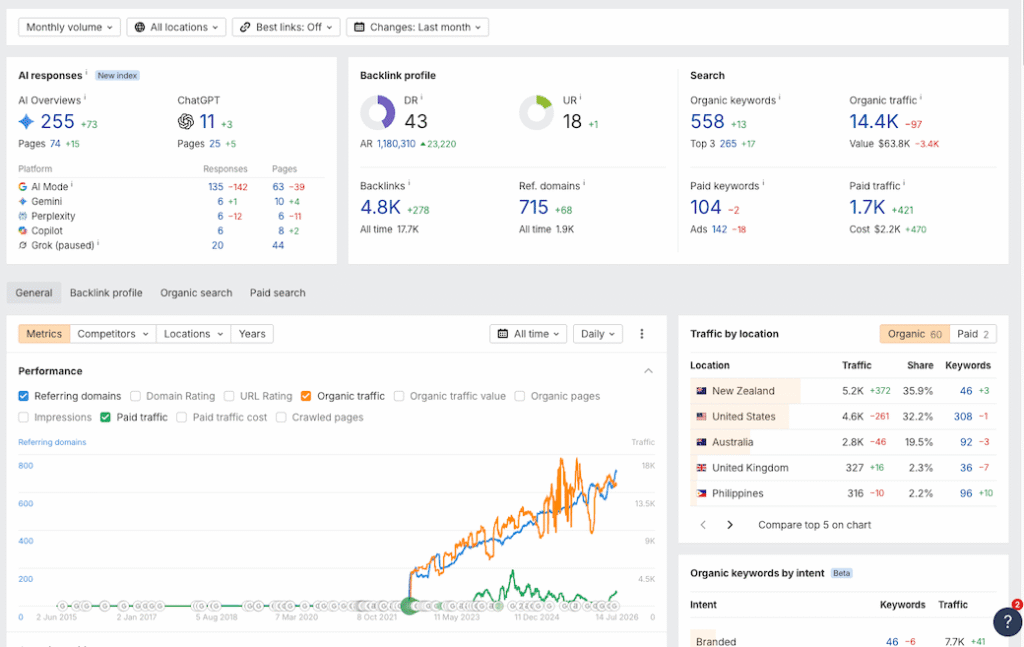
Step 5: Run Your List Through Keyword Tools
Now use Ahrefs, Semrush, or similar tools to get the data.
What you’re checking:
Search volume – How many monthly searches?
- 1,000+: High volume (competitive)
- 100-1,000: Sweet spot for most businesses
- 10-100: Long-tail (easier, often higher intent)
Keyword difficulty – Can you rank?
- 0-30: Target these first
- 30-50: Medium term goals
- 50+: Long term goals after building authority
Additional checks:
- Look for “Parent topic” to find broader content opportunities
- Check “Clicks” vs “Volume” (avoid zero-click keywords unless building authority)
- Review SERP features (can you win a featured snippet?)
Quick tool tips:
Free approach:
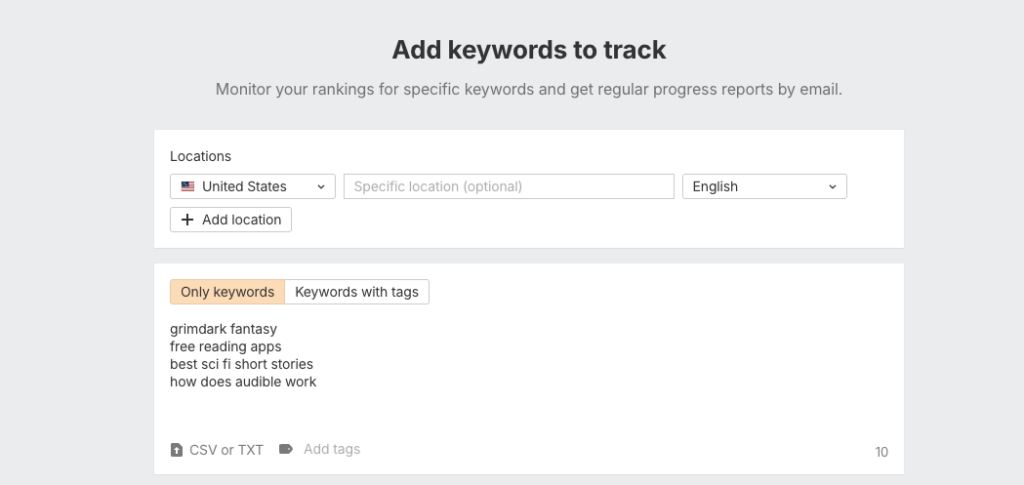
- Google Search Console (what you already rank for)
- Google Keyword Planner (basic volume data)
- AnswerThePublic (question keywords)
Paid approach:
- Ahrefs Keywords Explorer (my preference, most accurate)
- Semrush Keyword Magic Tool (strong for competitive analysis)
- Moz Keyword Explorer (user-friendly for beginners)
[Image: keyword tool comparison screenshot]
Step 6: Create Your Priority List
Put everything into a spreadsheet. This becomes your keyword roadmap.
Your columns:
Keyword | Volume | Difficulty | Intent | Priority | Target Page | Status |
Brand strategy guide | 400 | 34 | Info | 1 | /blog/brand-strategy-guide/ | Live |
Hire brand strategist | 250 | 28 | Trans | 1 | /services/brand-strategy/ | Q1 2026 |
What is brand strategy | 800 | 22 | Info | 1 | /blog/what-is-brand-strategy/ | Planning |
Brand strategy examples | 300 | 45 | Info | 2 | /blog/brand-strategy-examples/ | Q2 2026 |
How to prioritise:
Priority 1 – Target first:
- Matches your business intent (what you want to be found for)
- Good search volume (enough to matter)
- Low difficulty (you can actually rank)
- High commercial or transactional intent
Priority 2 – Build authority:
- Supports Priority 1 keywords
- Medium difficulty
- Good volume
- Builds topical authority
Priority 3 – Long tail support:
- Related long-tail variations
- Lower volume but super targeted
- Easier to rank
- Accumulates into significant traffic
Priority 4 – Future goals:
- High difficulty
- Target after building domain authority
- Keep on radar but don’t create content yet
Organise Into Topic Clusters
Now take your prioritised keywords and organise them into hub-and-spoke clusters.
Example: Brand Strategy Cluster
Hub page: “Brand Strategy” (primary comprehensive guide)
Spoke pages (link to hub):
- “How to Create a Brand Strategy” (tutorial)
- “Brand Strategy Examples” (case studies)
- “Brand Strategy Framework” (methodology)
- “Brand Strategy vs Brand Identity” (comparison)
The hub page targets your main keyword. Spoke pages target related keywords. Everything links together, much like how our own brand strategy guide sits as a hub for related topics.
Why this works:
- Clear site structure for users and Google
- Internal linking builds authority
- Signals topical expertise
- Makes content planning easier
[Image: hub and spoke diagram]
Your Content Calendar Strategy
Target in this order:
Month 1-2: Quick wins
- Low difficulty (KD under 30)
- Good volume (100+ searches)
- High intent keywords
- Service/product pages first
Month 3-4: Authority builders
- Your hub pages
- Comprehensive guides on core topics
- Medium difficulty (KD 30-50)
Month 5-6: Supporting content
- Spoke pages linking to hubs
- Long-tail variations
- Question-based content
Month 7+: Competitive terms
- Higher difficulty keywords
- After you’ve built initial authority
Realistic pace:
- Small business: 2-4 posts/month
- Growing business: 4-8 posts/month
- Aggressive strategy: 8-12+ posts/month
Remember: Two excellent, comprehensive posts beat eight mediocre ones.
Identifying Keywords That Will Move the Needle
Once you have your list, you need to separate winners from time-wasters. Here’s what to look at for each keyword.
Search Volume: How Many People Are Searching?
- High volume (1,000+): Competitive but valuable
- Medium volume (100-1,000): Sweet spot for most businesses
- Low volume (10-100): Long-tail keywords, easier to rank, often higher intent
Here’s the thing about volume: don’t worship it.
“SEO” has 38,000 monthly searches in the UK, but “SEO for estate agents London” with just 30 searches will probably convert better if you’re a London SEO agency serving estate agents. Relevance beats volume every time.
Keyword Difficulty: Can You Actually Rank?
- 0-30: Relatively easy
- 30-50: Moderate
- 50-70: Difficult
- 70+: Very difficult
If you’re running a new site or have low domain authority, start with difficulty under 30. Build authority before tackling the harder terms.
Clicks: The Hidden Metric
Not all searches result in clicks. Zero-click searches from AI overviews and featured snippets mean people get their answer without visiting websites.
Compare “volume” to “clicks” in your keyword tool. If clicks are significantly lower, consider whether the keyword is still worth targeting.
Traffic Potential: The Bigger Picture
This shows how much traffic the #1 ranking page gets from ALL keywords it ranks for, not just the primary one.
This metric is gold because it reveals broader opportunity. A page optimised for “content marketing strategy” might also rank for dozens of related terms, bringing in 10x more traffic than the primary keyword’s volume suggests.
Cost Per Click: The Commercial Intent Indicator
High CPC from paid advertising data signals high commercial value. Advertisers pay more when keywords convert well.
Even if you’re not running ads, CPC is a useful proxy for keyword value. If advertisers are paying £15 per click, that keyword probably drives revenue.
Assessing Real Competition (Not Just Numbers)
Keyword difficulty scores are helpful, but they don’t tell the whole story. You need to actually look at who’s ranking.
Search your target keyword and analyse the top 10 results:
Domain authority – Use free tools like Moz or the Ahrefs toolbar
- All top results DR 60+? You’ll struggle as a new site
- Mix of domain strengths? There’s opportunity
Content quality – Be honest about what you’re seeing
- Is it comprehensive or thin?
- Up-to-date or outdated?
- Well-structured or messy?
Content type – What format is ranking?
- Blog posts or landing pages?
- Long-form or short?
- Text-heavy or multimedia?
The critical question: Can you create something better?
If yes, it’s a good target keyword. If no, choose a different keyword where you can actually compete.
The Power of Long-Tail Keywords
Here’s where most businesses find their biggest opportunities.
Long-tail keywords are longer, more specific phrases with lower search volume but often higher intent.
Compare these:
- Short-tail: “SEO” (38,000 searches, KD 97)
- Long-tail: “SEO consultant for SaaS startups” (50 searches, KD 15)
The long-tail keyword is dramatically easier to rank for and brings more qualified traffic.
Why Long-Tail Keywords Are Your Secret Weapon
- Easier to rank – Less competition, lower difficulty scores
- Higher intent – Specificity reveals motivation. Someone searching for “SEO consultant for SaaS startups” knows exactly what they want.
- Better conversion rates – The need is crystal clear
- Voice search friendly – Matches how people actually talk
- Accumulative traffic – Rank for hundreds of long-tail variations, and suddenly you’re getting serious traffic
The Smart Long-Tail Strategy
Target one broad head term plus multiple supporting long-tail variations on the same page.
Example for a Brighton branding agency:
- Primary keyword: “Branding agency Brighton”
- Secondary: “Brand strategy consultancy Brighton”
- Long-tail: “Small business branding agency Brighton”
- Long-tail: “Startup branding services Brighton”
One comprehensive page can rank for all of them simultaneously. That’s how you build real organic traffic.
Keyword Strategy for Your Business Type
Different businesses need different keyword approaches. Here’s what works for each.
Local Service Businesses
Focus on:
- Service + location combinations
- “Near me” variations
- Neighbourhood names
- Service + industry combinations
Examples:
- “Plumber Brighton”
- “Emergency plumber Hove”
- “Plumber near me”
- “Boiler repair Brighton”
Pro tip: Google Business Profile Insights shows actual local search terms people use to find businesses like yours. For a deeper dive on this, see our guide to local SEO for small businesses.
E-commerce Sites
Focus on:
- Product names and categories
- Brand + product combinations
- Problem-solving searches
- Comparison keywords
Examples:
- “Organic cotton t-shirts”
- “Best hiking boots women”
- “Nike vs Adidas running shoes”
- “Waterproof boots UK”
Don’t forget: Product-specific long-tail like “size 8 women’s black leather boots” indicates someone ready to buy.
B2B and Professional Services
Focus on:
- Industry + service keywords
- Problem-solution keywords
- Job title + need keywords
- ROI-focused terms
Examples:
- “Cybersecurity for financial services”
- “B2B SaaS marketing agency”
- “CFO financial modeling services”
- “Enterprise CRM implementation”
Critical point: Intent matters more than volume. 20 searches from qualified leads beats 2,000 from unqualified traffic.
SaaS and Software Companies
Focus on:
- Alternative keywords (“X alternative”)
- Feature-specific keywords
- Integration keywords
- Comparison keywords
Examples:
- “Mailchimp alternative”
- “Email marketing automation”
- “Mailchimp Shopify integration”
- “ActiveCampaign vs Mailchimp”
Why this works: You’re capturing users actively evaluating competitors.
Content and Media Sites
Focus on:
- Trending topics
- Question keywords
- Tutorial and how-to keywords
- Topic clusters
Examples:
- “How to increase Instagram engagement 2026”
- “Best podcasting equipment under £200”
- “Instagram algorithm explained”
Different game: Volume matters more here because ads are your revenue model.
Seven Mistakes That Kill Keyword Strategies
I’ve seen these mistakes cost businesses thousands in wasted effort. Avoid them.
- Targeting Keywords That Are Too Competitive
New sites going after “SEO” or “marketing” waste their time. You won’t rank against sites with DR 80+ and thousands of backlinks.
Fix: Start with keyword difficulty under 30. Build authority first, then tackle harder terms.
- Ignoring Search Intent
Creating blog posts when users want product pages. Creating product pages when users want information.
Fix: Google your target keyword. See what’s ranking. Match that content type. If Google shows blog posts, create a blog post. If Google shows product pages, create a product page.
- Obsessing Over Volume
Chasing “insurance” with massive search numbers while ignoring “small business insurance Brighton” with 10 searches that might actually drive revenue.
Fix: Prioritise relevance and intent over vanity metrics.
- Keyword Stuffing
Cramming keywords unnaturally throughout content. It reads terribly and Google penalises it.
Fix: Use your target keyword in the title, H1, first paragraph, and naturally throughout. That’s enough.
- Forgetting About Existing Content
Creating new pages for keywords you already rank for, just not well.
Fix: Audit existing pages first. Optimise what you have before creating new content. It’s faster and more effective.
- Keyword Cannibalisation
Multiple pages targeting the same keyword, competing with each other for rankings.
Fix: One comprehensive page per primary keyword. Related terms can share a page, but don’t create five different pages all trying to rank for “branding agency London.”
- Ignoring User Questions
People are asking questions. If you don’t answer them, your competitors will.
Fix: Mine People Also Ask and AnswerThePublic. Create FAQ content that captures question-based searches.
Choosing Your Keyword Research Tools
You don’t need expensive tools to start, but they make life significantly easier. (For a broader rundown of tools beyond just keyword research, see our SEO tools guide.)
Free Tools (Start Here)
What you get:
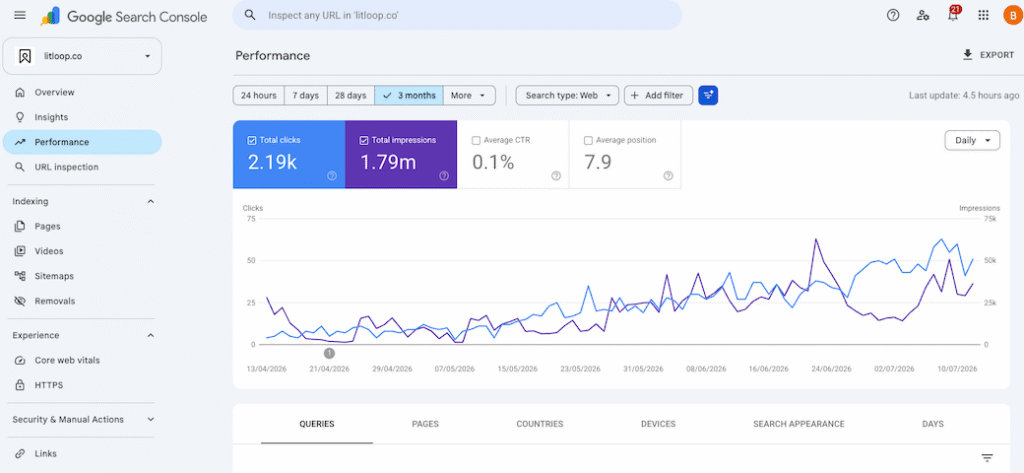
- Google Search Console (existing rankings)
- Google Autocomplete (suggestions)
- Google Related Searches
- AnswerThePublic (limited free searches)
- Ubersuggest (basic data)
The process:
- Extract keywords from Search Console
- Manually search seed keywords, note autocomplete suggestions
- Check People Also Ask and Related Searches
- Use AnswerThePublic for question keywords
- Manually check difficulty by searching and evaluating top 10 results
Time investment: 3-5 hours per research session Limitation: You can’t see exact volume or comprehensive related terms
Budget-Friendly Paid Tools (£50-100/month)
Ahrefs Lite or Semrush Pro – around £100 monthly
What changes: Unlimited searches with comprehensive data, reducing time to 1-2 hours per session while giving you actual numbers instead of guesswork.
Tool Recommendations
Ahrefs Keywords Explorer, My Preference
What I like:
- Largest backlink database
- Accurate difficulty scores
- Parent topic feature (identifies broader opportunities)
- SERP analysis included
- Clean, intuitive interface
What to consider:
- £99+/month (not cheap)
- Learning curve if you’re new to SEO
Best for: Serious SEO efforts, competitive analysis
Semrush Keyword Magic Tool, The All-in-One
What I like:
- Massive keyword database
- Strong competitor analysis
- Content optimisation suggestions
- Complete marketing platform
What to consider:
- £100+/month
- Can be overwhelming with features
- More US-focused (less accurate UK data)
Best for: Agencies, comprehensive marketing needs
Moz Keyword Explorer, The Beginner-Friendly Option
What I like:
- User-friendly interface
- Good difficulty scores
- Decent free tier
- Strong SERP analysis
What to consider:
- Smaller keyword database
- Limited free searches
Best for: Beginners, smaller budgets
Advanced Tactics Worth Using
Once you’ve nailed the basics, these tactics uncover opportunities your competitors miss.
Competitor Gap Analysis
Find keywords your competitors rank for that you don’t. It’s instant content ideas.
How to do it:
- Enter competitor domains in Ahrefs Site Explorer
- Go to “Organic Keywords”
- Filter for keywords where they rank in top 10
- Exclude keywords you already rank for
- Evaluate opportunities
What you get: A list of proven keywords you should be targeting
Content Decay Analysis
Identify pages that used to rank well but are declining. Often easier to fix than creating new content.
How to do it:
- Google Search Console → Performance
- Compare last 3 months to previous 3 months
- Sort by declining queries
- Investigate why (outdated content? Competitors improved? Algorithm update?)
- Update and optimise
What you get: Recovered rankings with less effort than new content
SERP Feature Opportunities
Target keywords where you can win featured snippets, People Also Ask boxes, or other special results.
How to do it:
- Search your target keywords
- Note what SERP features appear
- Analyse what content wins those features
- Structure your content to compete
Featured snippet formats:
- Paragraphs (40-60 words)
- Numbered or bulleted lists
- Tables
- Videos
Optimisation tip: Provide clear, concise answers immediately after headings.
Forum and Reddit Mining
Find actual questions real people ask. This is where you discover keywords tools miss.
How to do it:
- Search: “[your topic] site:reddit.com”
- Browse relevant subreddits
- Note repeated questions and pain points
- Create content answering them
Example: Search “SEO site:reddit.com” and you’ll find dozens of threads with real questions business owners ask.
Why this works: You’re capturing genuine search demand that keyword tools don’t show.
Your Ongoing Keyword Research Workflow
Keyword research isn’t one-and-done. Here’s how to stay on top of it without making it a full-time job.
Monthly (2-3 hours)
- Review Search Console for new ranking opportunities
- Identify declining keywords to refresh
- Research 5-10 new target keywords
- Update keyword tracking
Quarterly (4-5 hours)
- Comprehensive competitor analysis
- Keyword gap identification
- Content calendar planning for next quarter
- Strategy adjustment based on results
Annually (Full day)
- Complete keyword audit
- Reassess business priorities
- Major strategy revision
- Tool evaluation (are you using the right ones?)
Keyword Research for Your Business
You now know how to:
- Find keywords your customers actually search for
- Understand what they want when they search
- Evaluate competition and opportunity realistically
- Prioritise based on business value, not vanity metrics
- Build a systematic approach that scales
The businesses dominating search results aren’t necessarily the ones with the biggest budgets or the most content.
They’re the ones that identified the right keywords, the intersection of what customers search for, what the business can realistically rank for, and what drives actual business value.
Start there. Build systematically. Everything else in SEO becomes easier because you’re targeting demand that actually exists.
Markets shift. Search behaviour changes. Competitors evolve. Your business develops new offerings.
Revisit your keyword strategy regularly. What worked six months ago might not be the best opportunity today. Stay aligned with actual demand, not assumptions about demand.
Want a keyword strategy built specifically for your business, rather than a generic template? Get in touch or take a look at our SEO services.